Introduction
Welcome, wanderer! If your soul craves adventure, culture, and color — India is calling. This land of contrasts offers serene Himalayan treks, golden deserts, bustling cities, and tranquil beaches, all packed with stories waiting to unfold. Backpacking in India isn’t just about travel; it’s about discovery — of the world and yourself. This guide walks you through everything you need to plan an unforgettable budget adventure across the subcontinent.
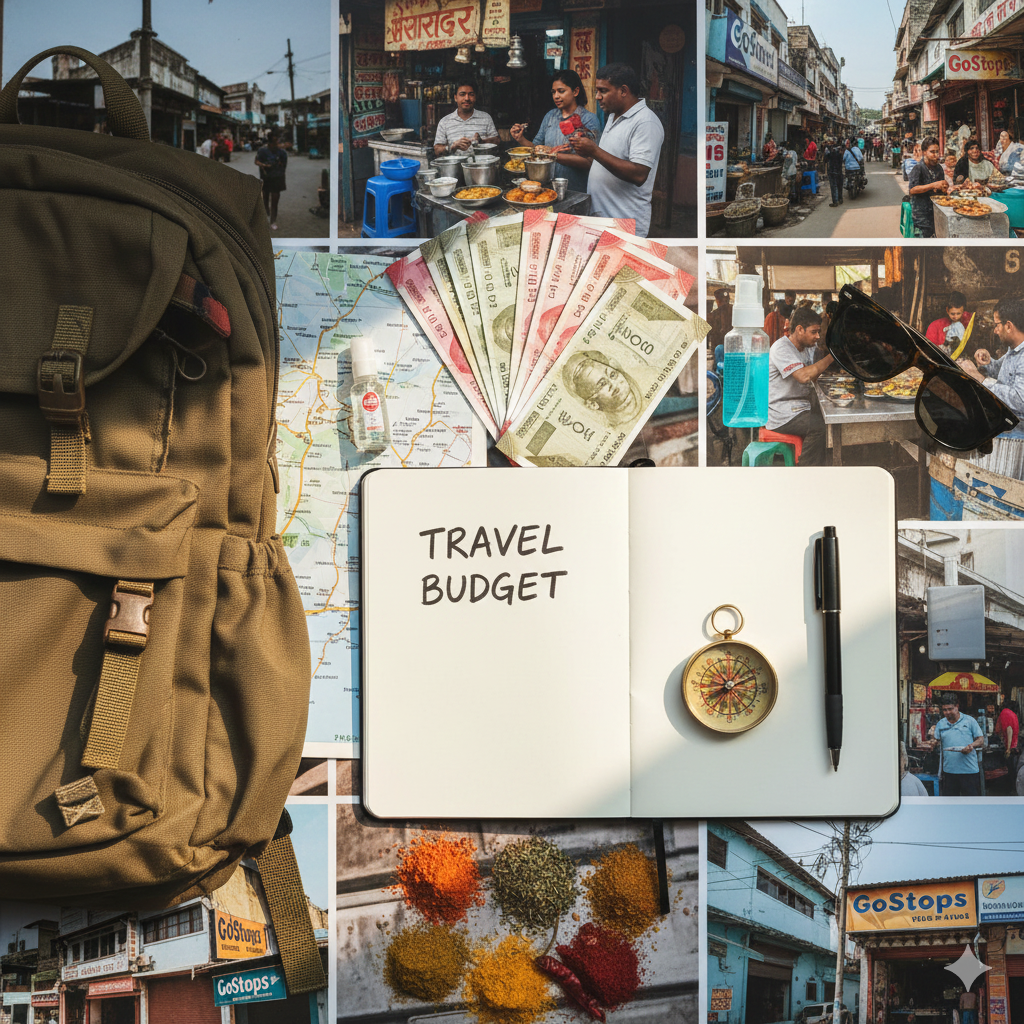
Budget Breakdown: How Much Does Backpacking in India Cost?
India can be one of the most affordable travel destinations on Earth. Whether you’re pinching pennies or craving comfort, here’s how to plan your daily expenses:
Shoestring Budget (₹800–₹1,200 / $10–15 per day)
- Stay: Dorm beds in hostels or guesthouses
- Eat: Street food and local dhabas
- Travel: Public buses and trains (sleeper class)
- Explore: Free attractions, local markets, temples
Mid-Range Budget (₹1,500–₹3,000 / $18–36 per day)
- Stay: Budget hotels or private hostel rooms
- Eat: Mix of local and tourist restaurants
- Travel: AC trains or intercity buses
- Explore: Entry to major monuments and guided city tours
Comfortable Budget (₹3,000–₹5,000 / $36–60 per day)
- Stay: 3-star hotels or boutique homestays
- Eat: Any restaurant or café you fancy
- Travel: Flights, AC taxis, or private transfers
- Explore: Guided excursions, cultural performances
Money-Saving Tips for Smart Travelers
- Use hosteling apps (like Hostelworld) for last-minute deals.
- Stay in homestays for cheaper rates and deeper cultural immersion.
- Book overnight trains to save both time and accommodation costs.
- Eat where locals eat — and don’t miss a traditional thali (unlimited refills!).
- Carry a reusable water bottle with a filter — eco-friendly and cost-effective.
1. Regional Circuits: Explore India One Route at a Time
India’s diversity is best experienced through regional circuits. Each offers a unique slice of culture, cuisine, and color.
1(7–10 days)
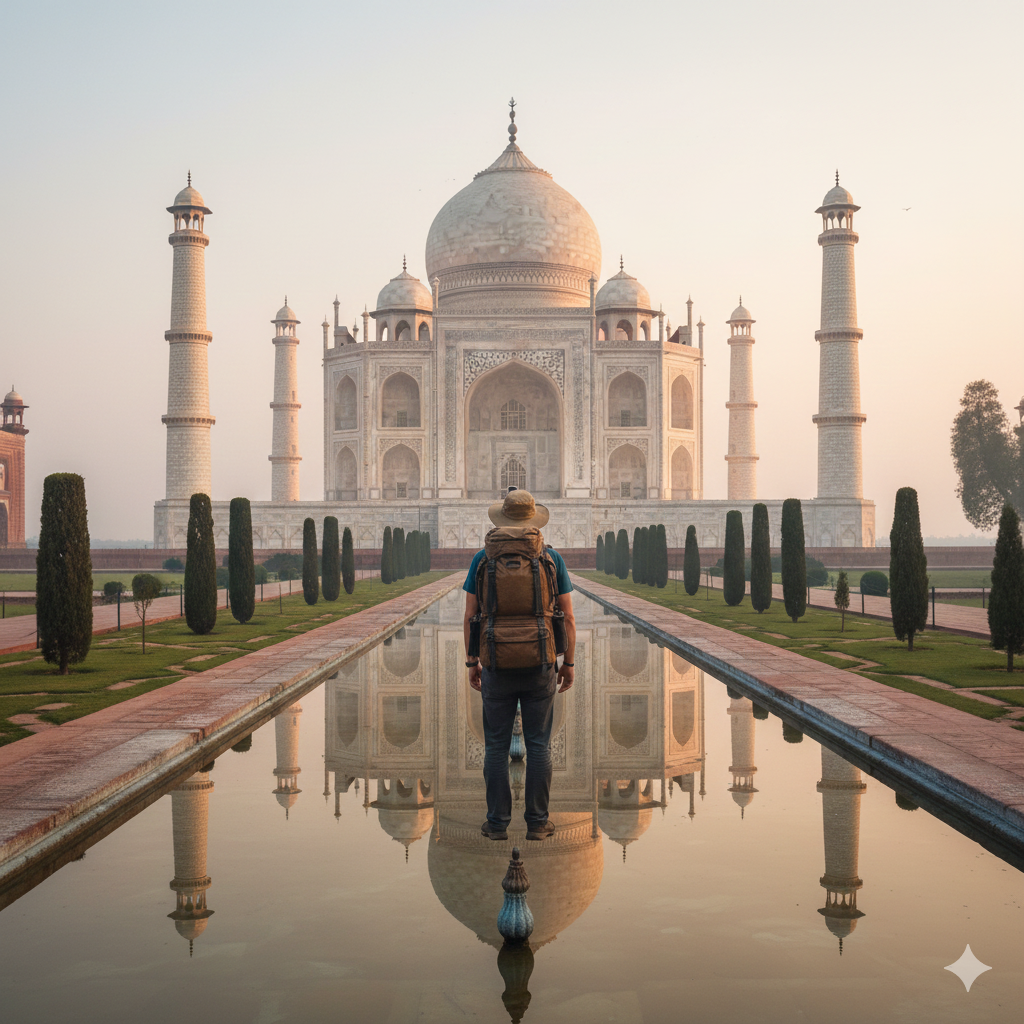
Route: Delhi → Agra → Jaipur
Budget: ₹15,000–₹20,000 ($180–240)
Highlights:
- The timeless Taj Mahal
- The historic Red Fort
- Jaipur’s pink architecture and Hawa Mahal
2. Spiritual North (14–20 days)
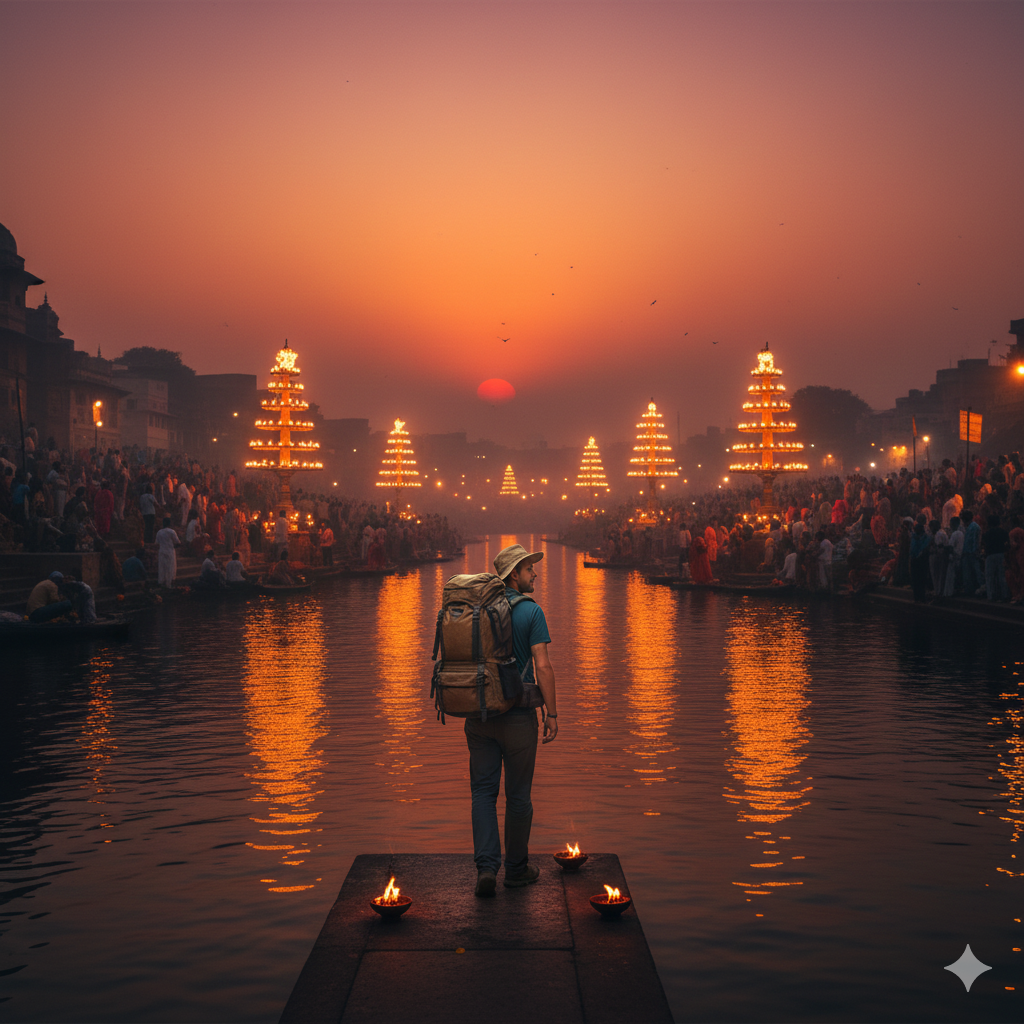
Route: Varanasi → Rishikesh → Amritsar
Budget: ₹25,000–₹35,000 ($300–420)
Highlights:
- Ganga aarti on the ghats of Varanasi
- Yoga and meditation retreats in Rishikesh
- Golden Temple’s divine glow in Amritsar
3. Beach Paradise South (14–20 days)
Route: Goa → Kerala → Karnataka
Budget: ₹30,000–₹40,000 ($360–480)
Highlights:
- Goa’s laid-back beaches and parties
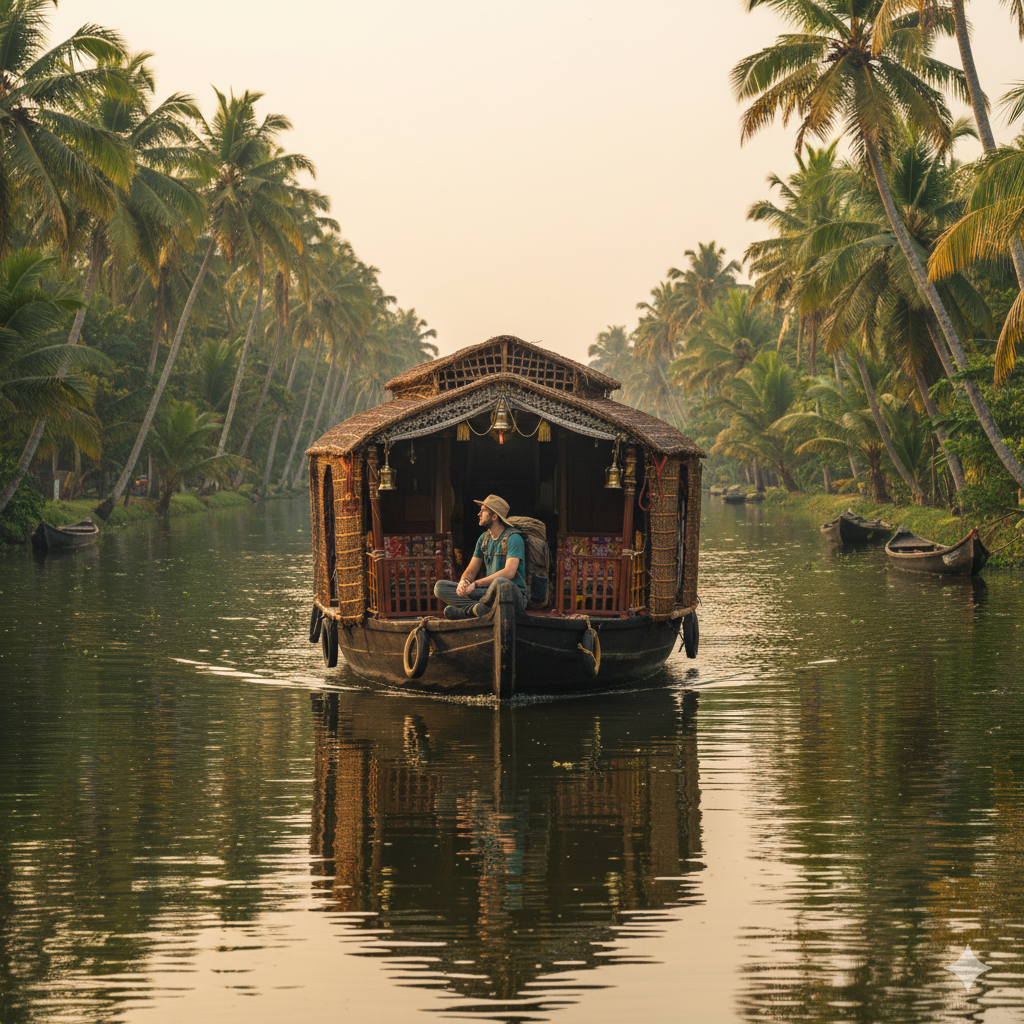
- Kerala’s backwaters and Ayurvedic retreats
- Hampi’s ancient ruins and scenic landscapes
Getting Around: India’s Transport Made Simple
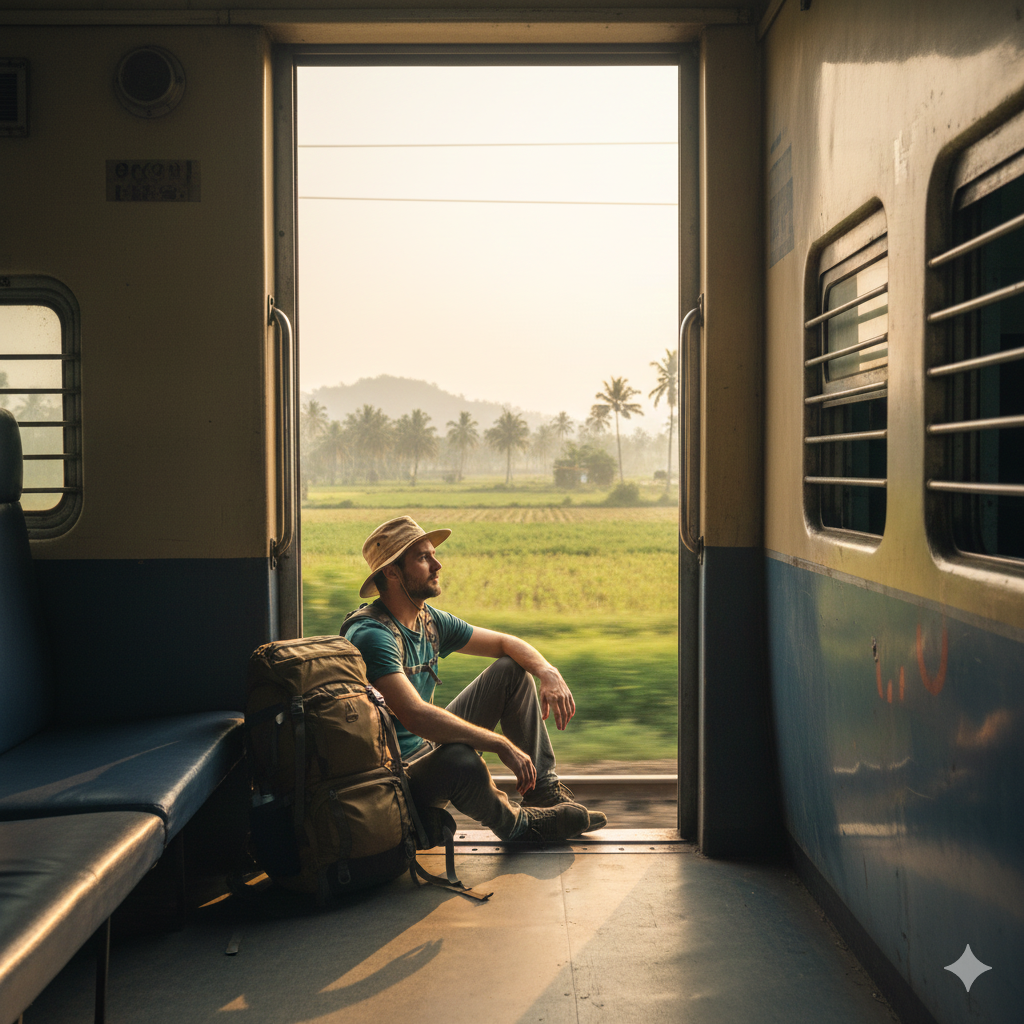
Trains:
The heart of Indian travel!
- Book via IRCTC (account required).
- Classes: Sleeper (budget), 3AC (mid-range), 2AC (comfortable).
- Book 1–2 months in advance for popular routes.
Buses:
- State-run and private options (use the RedBus app).
- Always choose AC buses for long routes.
Local Transport:
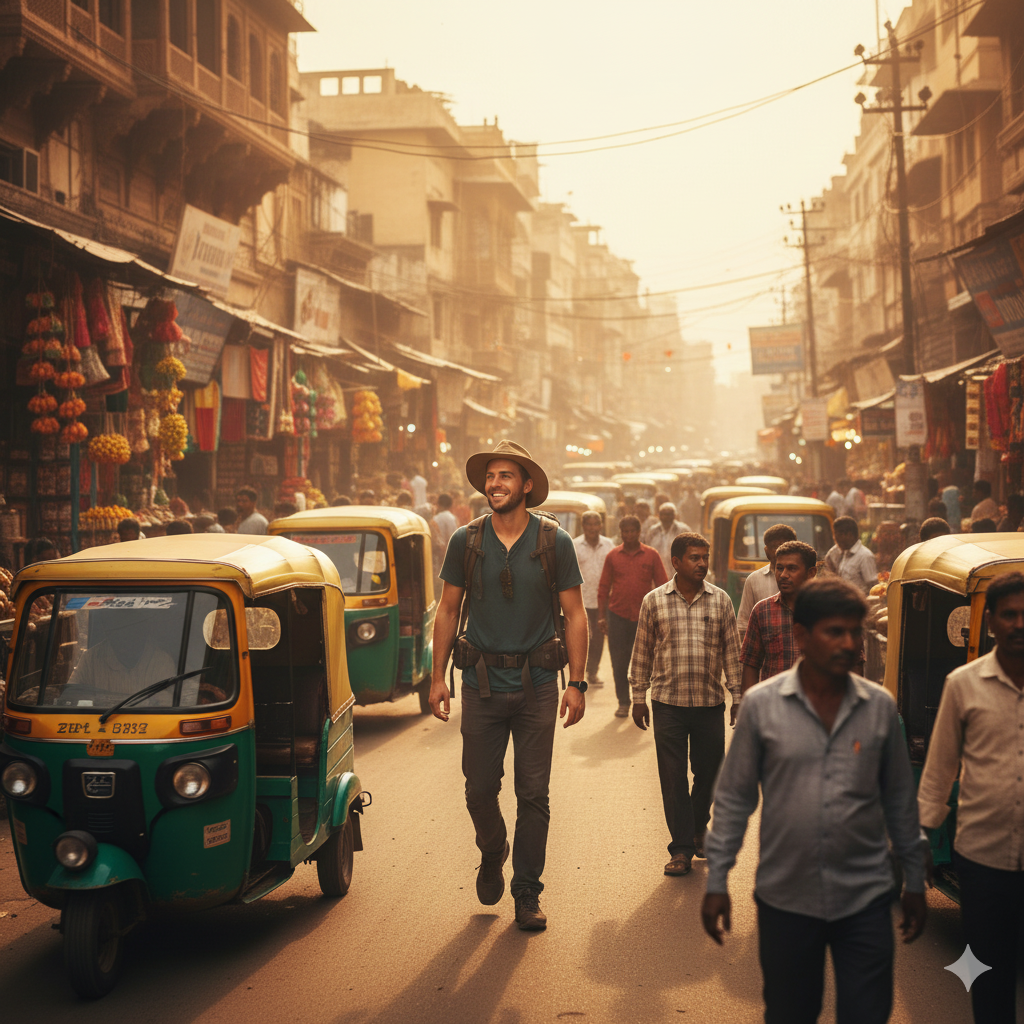
- Auto-rickshaws: Negotiate before you ride.
- Metro systems in Delhi, Mumbai, and Bengaluru are fast and cheap.
- Ride-sharing apps like Ola and Uber make city travel easier. Culture & Etiquette: Travel Respectfully
Do’s
- Remove shoes before entering temples.
- Dress modestly — shoulders and knees covered.
- Use your right hand for eating or handing items.
- Ask before taking people’s photos.
- Learn a few Hindi phrases — locals appreciate it!
Don’ts
- Avoid public displays of affection.
- Don’t drink tap water.
- Avoid walking alone at night in unfamiliar areas.
- Never touch anyone’s head — it’s considered sacred.
- Don’t rush; patience is key in India.
Health & Safety Essentials
Before You Go:
- Recommended vaccinations: Hepatitis A & B, Typhoid, Tetanus (and malaria prophylaxis if applicable).
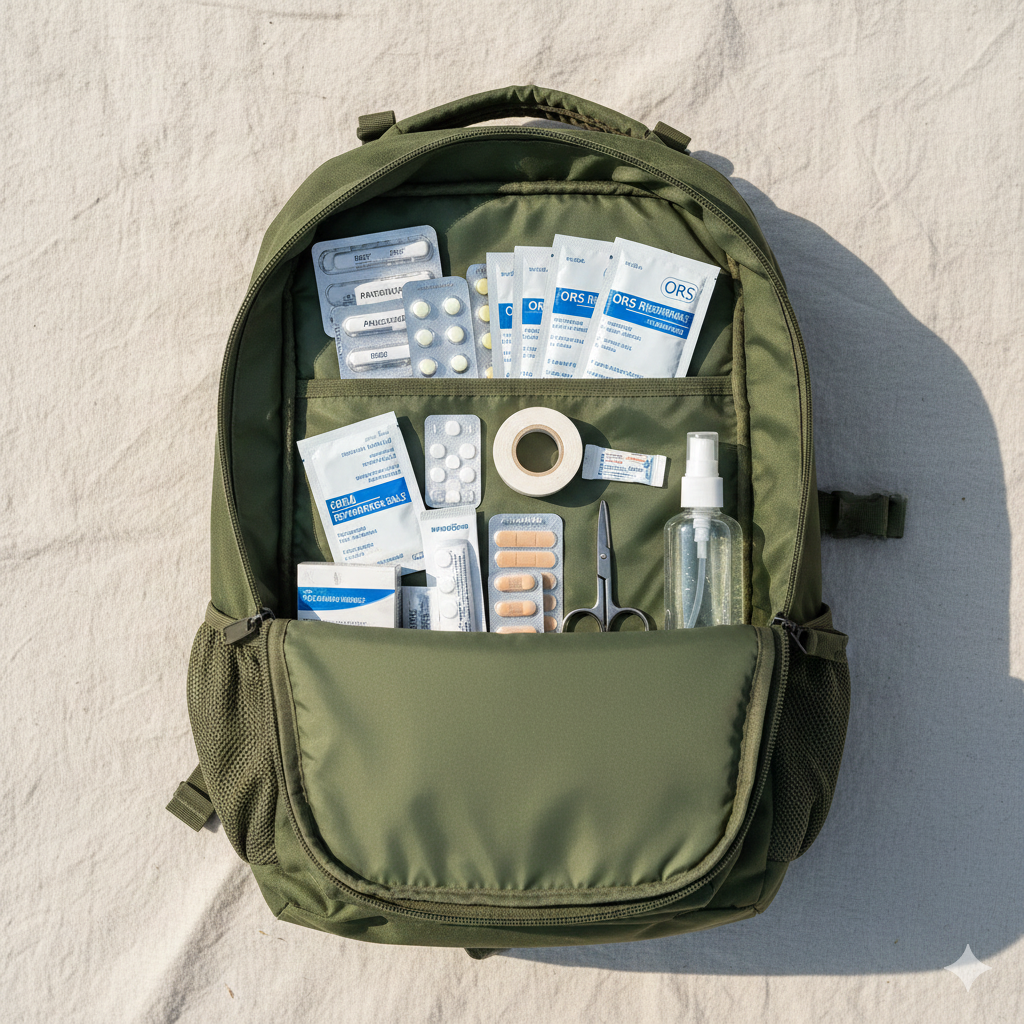
Your Travel Medical Kit Should Include:
- Prescription medicines
- Diarrhea meds & oral rehydration salts
- Basic first aid items
Food Safety Rules:
- “Peel it, cook it, boil it — or forget it.”
- Go for hot, freshly cooked street foods like samosas, tandoori, or chai.
- Stick to fruits with thick peels (bananas, oranges).
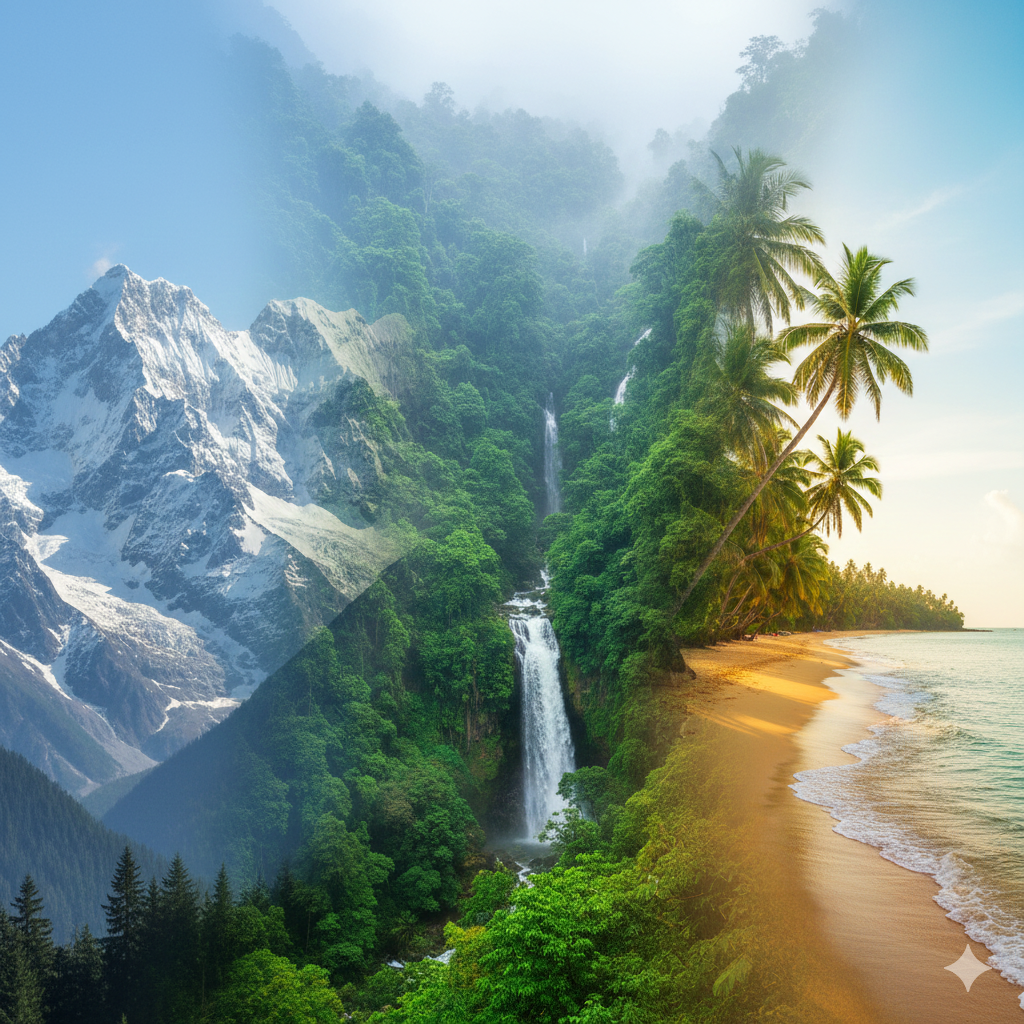
When to Visit India
India’s vast geography means the weather varies widely.
- October–March: Peak tourist season, pleasant across most regions.
- April–June: Hot — ideal for Himalayan or hill-station treks.
- July–September: Monsoon season — fewer crowds, lower prices.
Regional Picks:
- North India: October–March
- South India: November–February
- Himalayas: April–June
- Beaches: October–April
Experiences You Can’t Miss
Cooking Classes
Learn to make Indian curry or brew the perfect masala chai.
₹1,000–₹3,000 per session
Spiritual Experiences
Try meditation, yoga retreats, or temple volunteering.
₹500–₹5,000 per day
Cultural Workshops
Practice henna art, classical dance, or textile printing.
₹800–₹2,000 per session
Connect Like a Local
- Stay in social hostels — meet fellow travelers easily.
- Join Couchsurfing meetups or free walking tours.
- Attend local festivals like Holi or Diwali for authentic experiences.
Useful Phrases:
- “Namaste” – Hello
- “Dhanyavaad” – Thank you
- “Kitna hai?” – How much?
- “Thik hai” – Okay
Digital Travel Toolkit
- Maps & Navigation: Google Maps, Maps.me (offline)
- Transport Apps: IRCTC, RedBus, Ola, Uber
- Accommodation: Hostelworld, Booking.com, Agoda
- Food: Zomato or Swiggy
- Bonus: Google Lens for quick menu translations
conclusion: Embrace the Chaos, Discover the Magic
India isn’t a destination — it’s an awakening. Between the holy chants of Varanasi, the rhythm of Mumbai, and the calm of Kerala’s backwaters, you’ll find pieces of yourself you didn’t know existed. The best way to travel India is with an open heart, flexible plans, and a backpack ready for surprises.
So pack light, smile often, and let India transform the way you see the world.
No responses yet