
Answer
Okay, here’s a search-engine-optimized, reader-engaging, and human-sounding rewrite of the provided article about wildlife tourism in India, tailored for Indian travelers. I’ll also include image generation prompts to create visuals for the piece.
The Ultimate Indian Wildlife Adventure: A Jungle Guide for Desi Explorers
Namaste, fellow wanderers! Ready to ditch the usual tourist traps and dive headfirst into the heart of India’s wild side? Forget crowded beaches and monument selfies for a bit – we’re talking tigers, rhinos, elephants, and landscapes that’ll make your jaw drop.
India’s not just about chai and temples, you know. We’ve got over 500 wildlife sanctuaries and 104 national parks teeming with incredible creatures. Trust me; it’s an experience every Indian should have at least once.
When to Go Wild: Timing Your Trip
- October to March (Peak Season): This is when most parks are buzzing. The weather’s fantastic, and the animals are out and about.
- April to June (Tiger Time): If spotting a tiger is your mission, brave the heat! The dry season makes it easier to see them near water sources. Just pack your sunscreen!
- July to September (Monsoon Magic): Many parks close during the monsoon, but the landscapes become lush and green. Plus, you might snag some sweet deals!
Top Wildlife Hotspots: My Recommendations
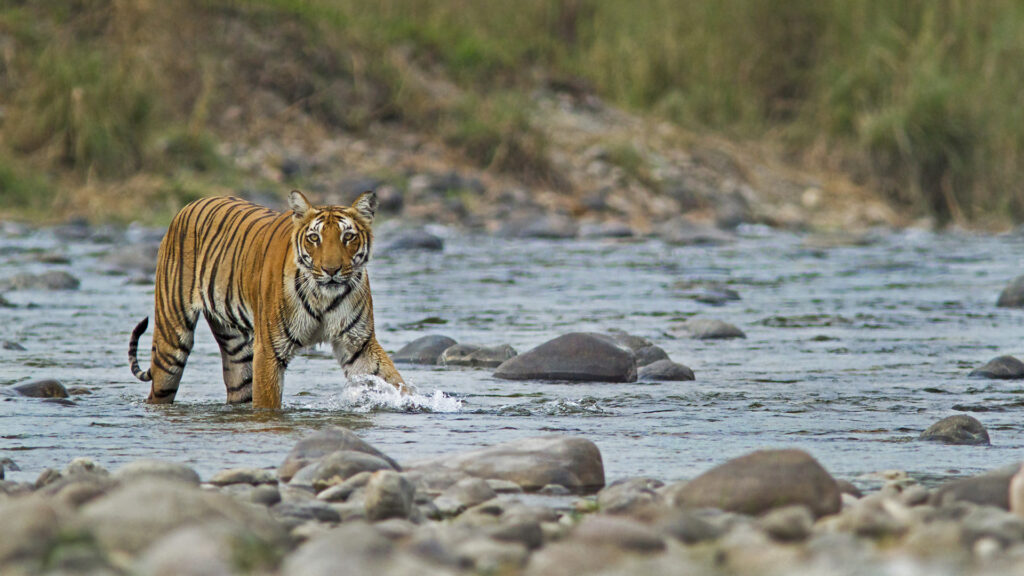
- Jim Corbett National Park, Uttarakhand:
- Why it’s awesome: India’s oldest national park! Think majestic Bengal tigers, playful elephants, and a birdwatcher’s paradise.
- Budget: ₹2,500-15,000 per day (depending on your style)
- Don’t miss: An early morning safari in the Dhikala zone for the best tiger-spotting chances.
- Image Prompt: A jeep safari winding through a dense forest in Jim Corbett National Park, early morning light filtering through the trees, a Bengal tiger partially visible in the undergrowth.
- Ranthambore National Park, Rajasthan:
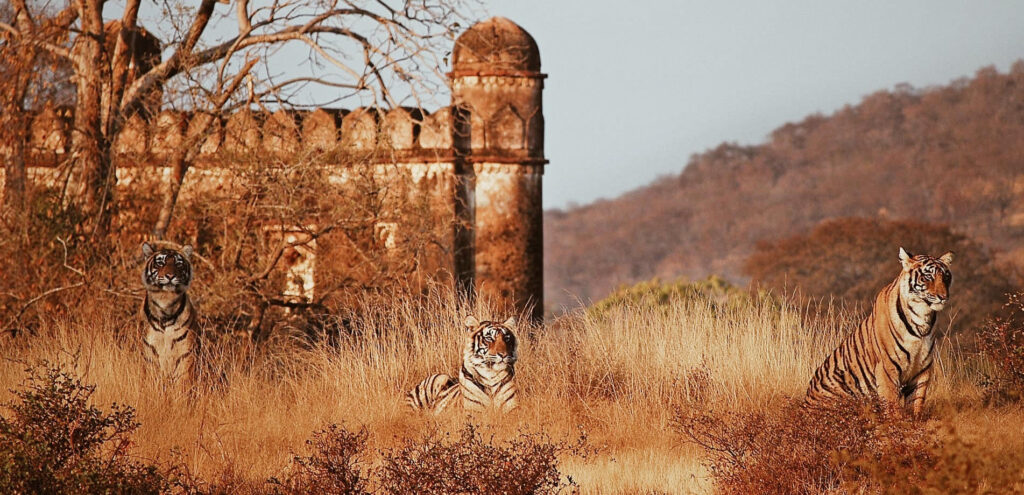
- Why it’s awesome: Tigers chilling amidst ancient ruins! Need I say more? Plus, sloth bears and leopards add to the thrill.
- Budget: ₹3,000-20,000 per day
- Insider Secret: Zones 2, 3, and 5 are tiger hotspots. Keep your eyes peeled!
- Image Prompt: A majestic Bengal tiger walking past an ancient stone temple within Ranthambore National Park, Rajasthan, with a clear blue sky in the background.
- Kaziranga National Park, Assam:
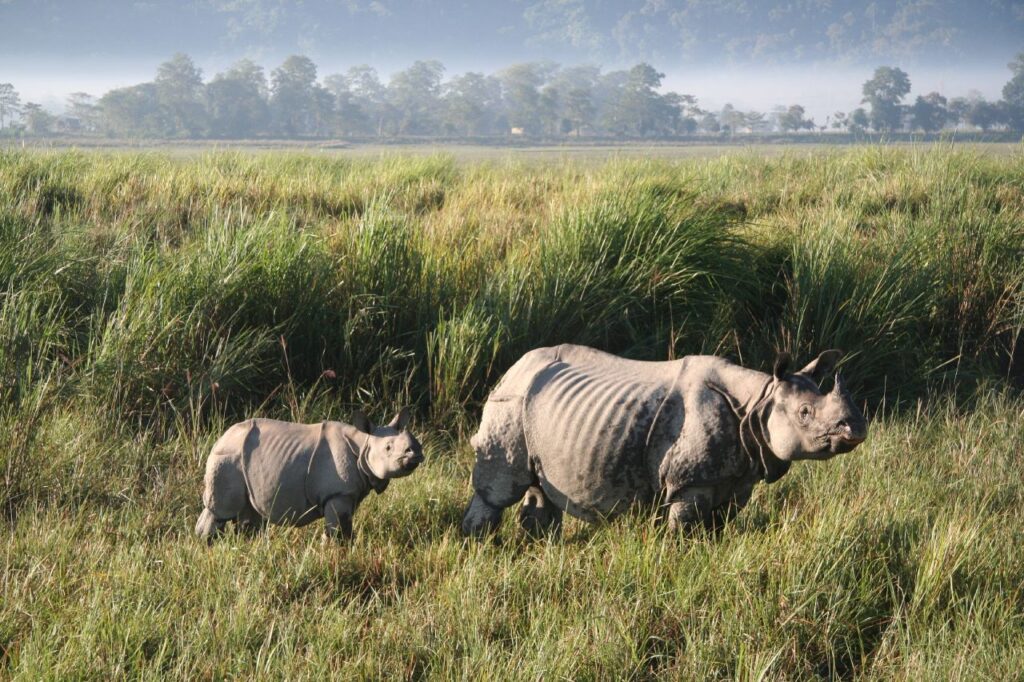
- Why it’s awesome: Home to the iconic one-horned rhinoceros! Also, keep an eye out for wild water buffalos and Bengal tigers.
- Budget: ₹2,000-12,000 per day
- Must-do: An elephant safari at dawn for a truly unforgettable experience.
- Image Prompt: An aerial view of Kaziranga National Park, showcasing a vast grassland with a one-horned rhinoceros grazing peacefully near a water body, surrounded by lush greenery.
Pocket-Friendly Wildlife Travel: Saving Rupees
- Budget Traveler (₹5,000-8,000 per day): Forest rest houses, shared safaris, and local eats are your friends.
- Mid-Range (₹8,000-15,000 per day): Opt for 3-star resorts, private safaris, and slightly fancier meals.
- Luxury (₹15,000+ per day): Premium lodges, exclusive safaris, and personal naturalists await!
Money-Saving Hacks:
- Travel during the shoulder season (September-October or March-April).
- Government rest houses are way cheaper than private resorts.
- Shared safaris are a great way to split costs.
- Book directly through the park’s official website.
- Look for package deals that bundle accommodation and safaris.
Gear Up: What to Pack
- Clothing: Earthy tones (khaki, olive green, brown), layers for those chilly mornings, a sun hat, sturdy shoes.
- Equipment: Binoculars (essential!), a camera with a good zoom lens, a power bank (trust me, you’ll need it), a reusable water bottle.
- Essentials: Insect repellent, sunscreen, a basic first-aid kit, and some trail mix for those long drives.
Pro Photography Tips: Capture the Moment
- A lens with at least 300mm focal length is a must.
- Fast shutter speeds (1/1000 or faster) to freeze the action.
- Shoot during the golden hours (sunrise and sunset) for the best light.
- Keep your camera ready but silent!
- Listen to your guide – they know the best spots.
Travel Responsibly: Leave Only Footprints
- Do: Be quiet during safaris, follow park rules, support local communities, stay on marked paths, use eco-friendly products.
- Don’t: Feed the animals, use flash photography, litter, wear strong perfumes, play loud music.
Hidden Gems: Off the Beaten Path
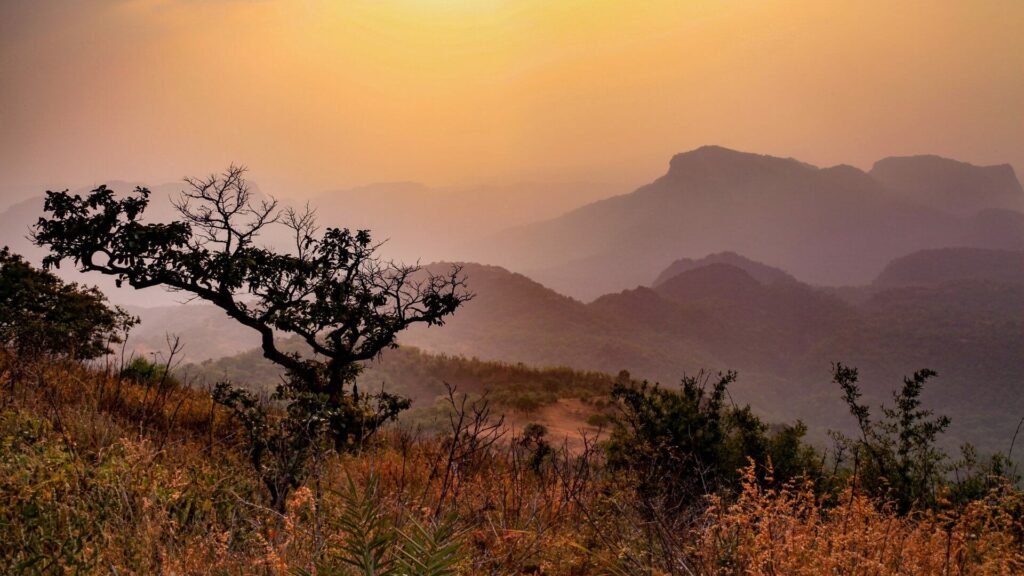
- Satpura National Park, Madhya Pradesh: Walking safaris! Perfect for birdwatchers and those seeking a less crowded experience.
- Image Prompt: Travelers on a walking safari in Satpura National Park, accompanied by a guide, observing birds in a dense forest.
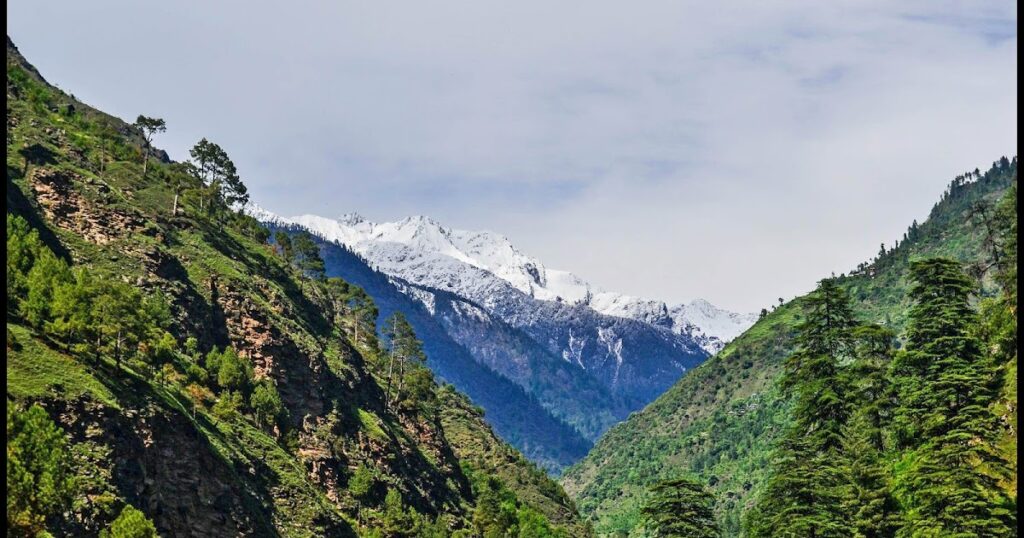
- Great Himalayan National Park, Himachal Pradesh: A UNESCO World Heritage Site with stunning trekking and rare Himalayan wildlife.
- Image Prompt: A panoramic view of the Great Himalayan National Park, showcasing snow-capped peaks and lush green valleys, with a glimpse of Himalayan wildlife in the foreground.
Wildlife Calendar: What to Expect
- Winter (October-February): Bird migrations galore! Plus, predators are more active, and the clear skies are perfect for photography.
- Summer (March-June): Prime tiger-spotting season! Animals gather near water, and the sparse vegetation makes them easier to see.
- Monsoon (July-September): Limited access, but the landscapes are unbelievably green, and you might find lower prices and fewer tourists.
Booking Resources: Get Your Tickets
- Official Channels: State Tourism Websites, National Park Official Portals
- Apps: Wildlife India App, Bird Identification Apps, Weather Apps
Spice Up Your Adventure
- Night trails (where allowed)
- Bird watching tours
- Nature photography workshops
- Visits to local tribal villages
- Participate in conservation programs
Final Thoughts: Embrace the Wild
Wildlife tourism in India is an incredible opportunity to connect with nature and witness some of the world’s most amazing animals. Whether you’re on a tight budget or looking for a luxurious experience, remember to plan ahead, respect the environment, and be patient. Nature is unpredictable, and the most magical moments often happen when you least expect them. So, pack your bags, grab your binoculars, and get ready for an unforgettable Indian wildlife adventure!
Remember to always check the official park websites for the most up-to-date information on fees, rules, and booking procedures. Happy travels!
Share
Export
Rewrite
People also ask
What are the best practices for optimizing an article for SEO
How can I make my article more engaging for Indian travelers
What are some effective ways to incorporate a humanoid tone in writing
Can you provide examples of SEO-friendly headlines for travel articles
What are some creative prompts for generating images of Indian travel destinations
Search Images
Search Videos
Generate Image
No responses yet